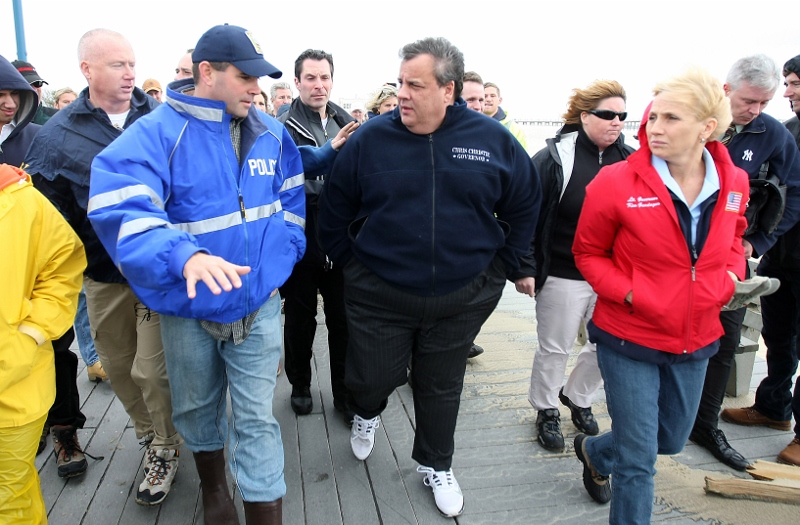
Governor Chris Christie signed Executive Order 105 this morning postponing Halloween celebrations across New Jersey until Monday November 5.
“I’ve taken this action to minimize additional risks to lives and the public safety as we begin the process of rebuilding and recovering from Hurricane Sandy,”said Governor Christie. “In too many communities in our state, the damage and losses from this storm are still being sorted out, and dangerous conditions abound even as our emergency management and response officials continue their work. As Governor, it is my responsibility to use all available resources of the state government to protect against the emergency created by Hurricane Sandy – postponing Halloween celebrations by five days is a commonsense and necessary step to accomplish that.”
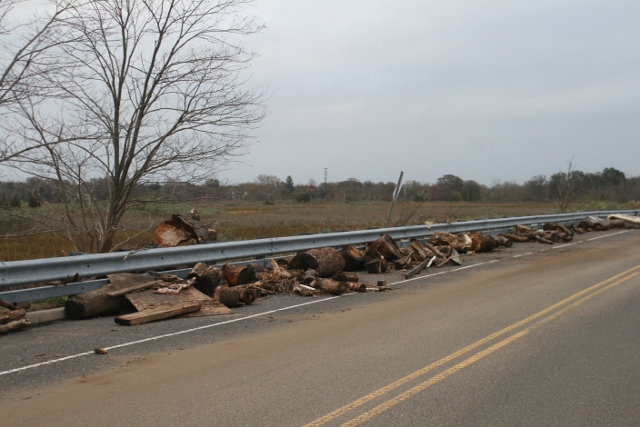
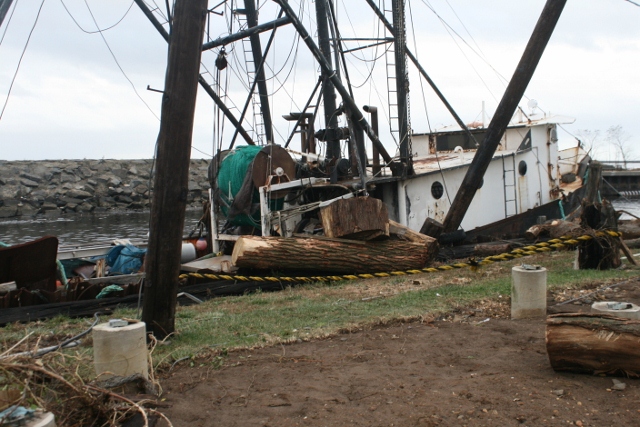
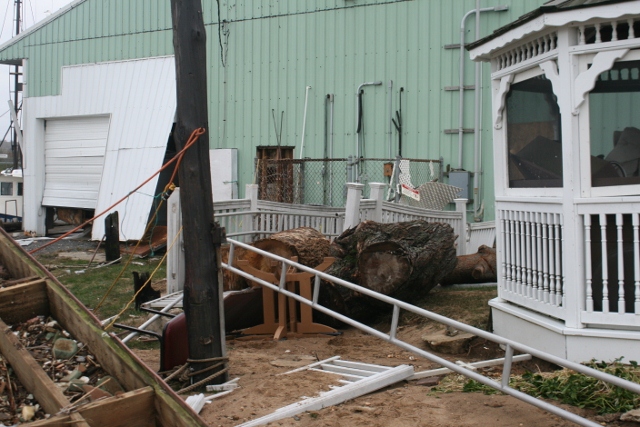
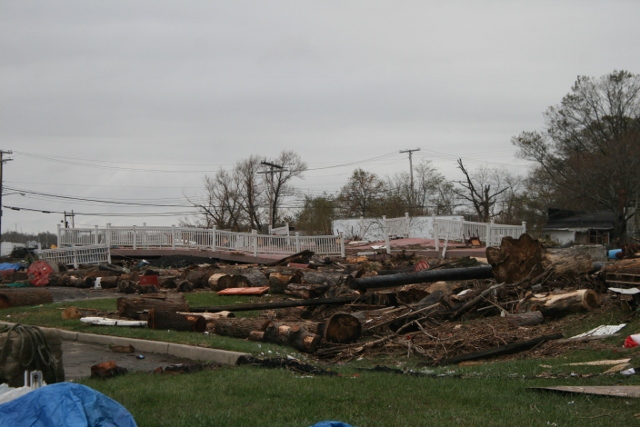
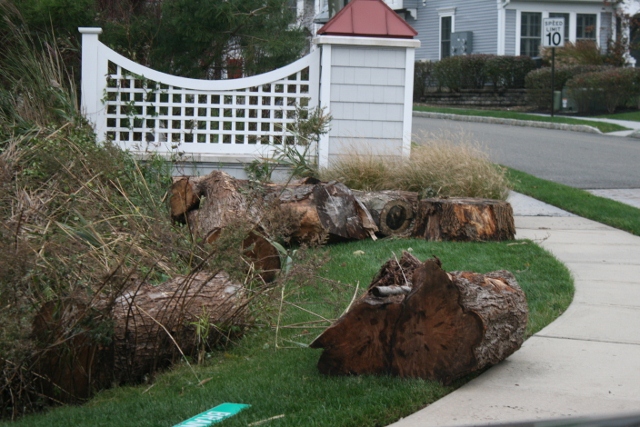
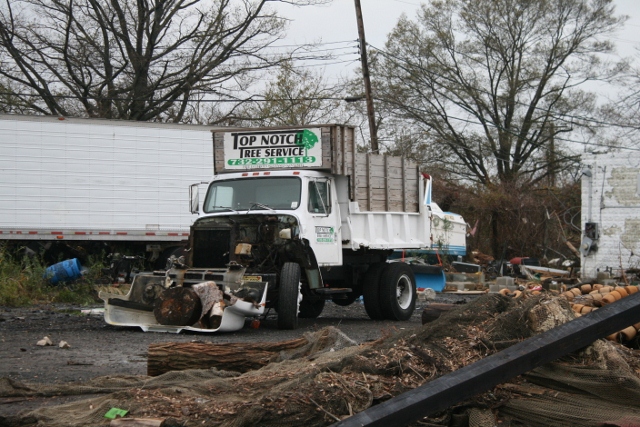
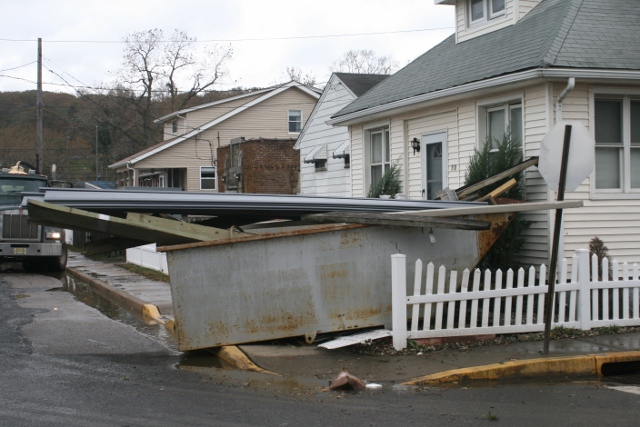
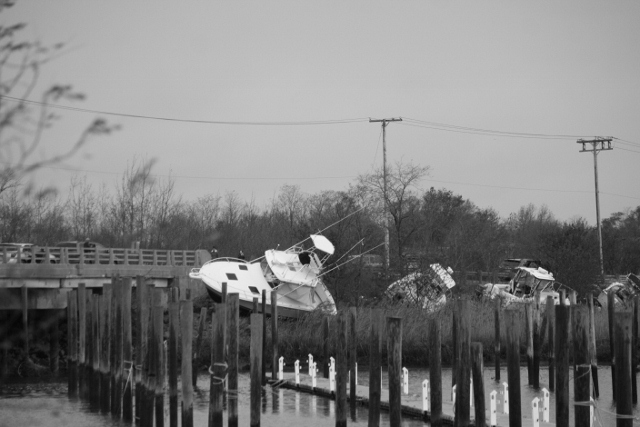
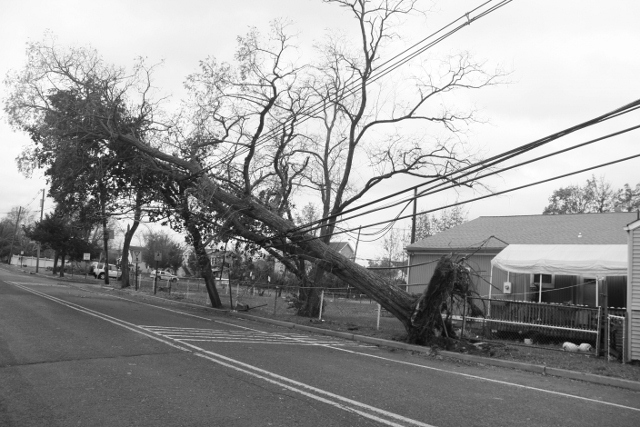
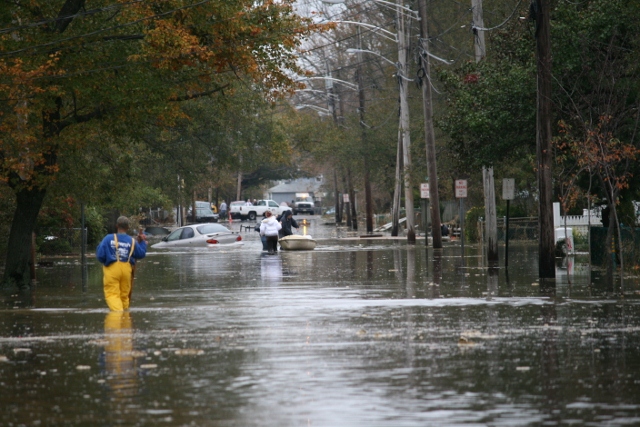
The damage sustained from Hurricane Sandy poses a continued threat to public safety in communities across New Jersey due to flooding, fallen trees, downed power lines, roadway closures, and disruptions in electrical service, making it unsafe and imprudent to participate in traditional celebrations, such as trick-or-treat walks. Local officials are advised to notify and encourage their communities and residents to delay any planned celebrations until Monday.
During his press briefing this evening, Governor Chris Christie announced that New Jersey State offices will remained closted on Weds, October 31. Christie said he wants to give the Department of Transportation as well as local authorities another day to clear the roads and the electric utilities another day to restore power to all State offices.
Non-essential employees should not report for their normal day shift tomorrow. Essential employees should report to work on schedule. All notifications are currently being made and coordinated by the New Jersey Office of Emergency Management in an expeditious manner.
The New Jersey Office of Emergency Management in coordination with the New Jersey Department of Transportation and the Board of Public Utilities as well as various State agencies will continue to monitor the storm and continue statewide cleanup efforts until the event concludes. New Jerseyans are encouraged to comply with orders and guidance from their local emergency management and government officials in preparing for the storm and to avoid any unnecessary risks when the storm makes landfall.
Drivers are advised to stay off of the roads whenever possible and otherwise drive with caution in consideration of the continued threat of downed power lines, trees, branches, and the work of emergency management and utility crews. When necessary, drivers should follow the rules of the road, stay alert and respect the weather elements and the guidance and orders of emergency management and government officials. Unnecessary travel is not recommended.
Posted: October 30th, 2012 | Author:Art Gallagher | Filed under:Chris Christie, Hurricane Sandy | Comments Off on Christie Briefing on Hurriance Damage and Recovery At 7:15
During a conference call with elected officials this morning, Governor Chris Christie and DEP Commissioner Bob Martin urge New Jersey residents to conserve drinking water during the clean up of Hurricane Sandy.
There are 10 water facitlities throughout the state that are suffering minor to major difficulties due to power outages and water surges. If clean drinking water falls below acceptable levels, the government will have to issue a boil water advisory.
“We don’t want people spaying the leaves off their patios,” said Chrisite
Trenton, NJ – The Christie Administration and Health Commissioner Mary O’Dowd urge all residents to throw away any food that may have come in contact with flood or storm waters and individuals that have suffered power outages should keeptheir refrigerator and freezer doors closed as much as possible to maintain the cold temperature.
Commissioner O’Dowd urged all residents to dispose of any perishable food that may have been above 40 degrees for two hours or more. Food will stay cold in the refrigerator for about four hours if it is unopened. A full freezer will keep the temperature for approximately 48 hours (24 hours if it is half full) if the door remains closed. However, food above 40 degrees for 2 hours or more must be discarded.
“Perishable food such as meat, poultry, seafood, milk, and eggs that are not kept adequately refrigerated or frozenmay cause illness if consumed, even when they are thoroughly cooked,” said Health Commissioner Mary E. O’Dowd.
Thawed food that contains ice crystals or is 40 degrees or below can be refrozen or cooked. If you plan to eat refrigerated or frozen meat, poultry, fish or eggs while it is still at safe temperatures, it’s important that each item is thoroughly cooked to the proper temperature to assure that any foodborne bacteria that may be present is destroyed.
Below are some additional food safety tips to prevent illness during power outages, flooding and hurricane conditions:
Add block ice or dry ice to your refrigerator if the electricity is expected to be off for more than four hours. Fifty pounds of dry ice should keep an 18-cubic foot fully-stocked freezer cold for two days.
Discard any food that is not in a waterproof container if there is any chance that it has come into contact with flood water. Food containers that are not waterproof include those with screw-off caps, snap lids and pull tops.
Discard cardboard juice/milk/baby formula boxes and home canned foods if they have come in contact with flood water, because they cannot be effectively cleaned and sanitized.
Inspect canned foods and discard any food in damaged cans. Can damage is shown by swelling, leakage, punctures, holes, fractures, extensive deep rusting, or crushing/denting severe enough to prevent normal stacking or opening with a manual, wheel-type can opener.
Check to ensure that the freezer temperature is at or below 0 °F and the refrigerator is at or below 40 degrees
Wash fruits and vegetables with water from a safe source before eating.
For infants, if using formula, try to use prepared, canned baby formula that requires no added water. When using concentrated or powdered formulas, prepare with bottled water if the local water source is potentially contaminated.
During power outages, the appliance thermometers will indicate the temperatures in the refrigerator and freezer to help you determine if the food is safe.
Once Power is Restored . . .
You’ll need to determine the safety of your food. Here’s how:
If an appliance thermometer was kept in the freezer, check the temperature when the power comes back on. If the freezer thermometer reads 40 degrees or below, the food is safe and may be refrozen.
If a thermometer has not been kept in the freezer, check each package of food to determine its safety. You can’t rely on appearance or odor. If the food still contains ice crystals or is 40 degrees or below, it is safe to refreeze or cook.
Refrigerated food should be safe as long as the power was out for no more than 4 hours and the refrigerator door was kept shut. Discard any perishable food (such as meat, poultry, fish, eggs or leftovers) that has been above 40°F for two hours or more.

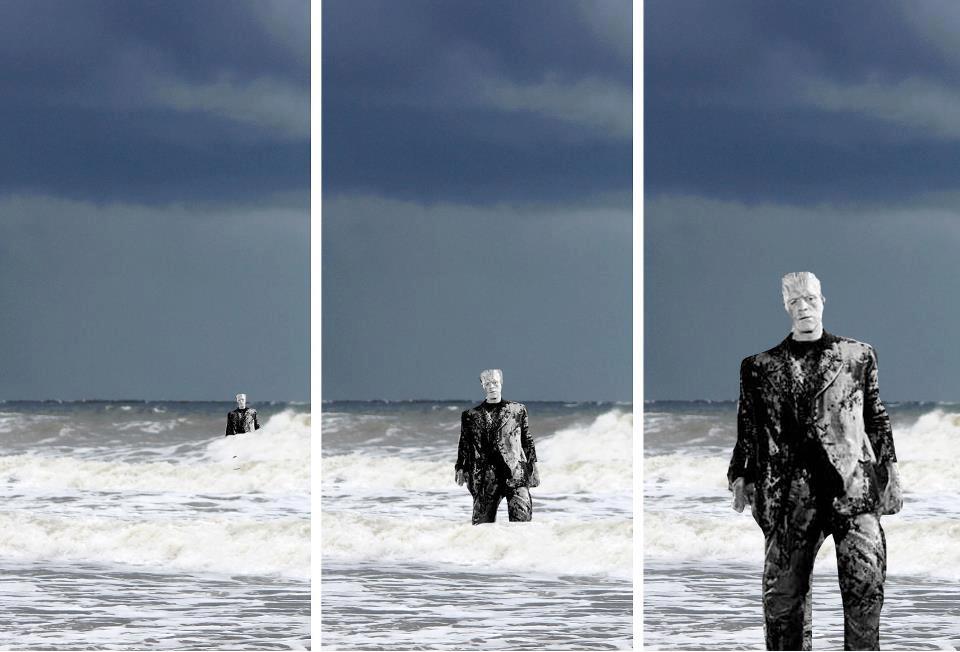 Governor Chris Christie signed Executive Order 105 this morning postponing Halloween celebrations across New Jersey until Monday November 5.